Archive
Research Lab 2023
AMRO Research Labs are artistic research projects that involve the AMRO community.
-> https://research.radical-openness.org/2023/
AMRO22 Debug
AMRO Research Labs 2021
#AMRO20
2019 - Art Meets Radical Openness Research Lab
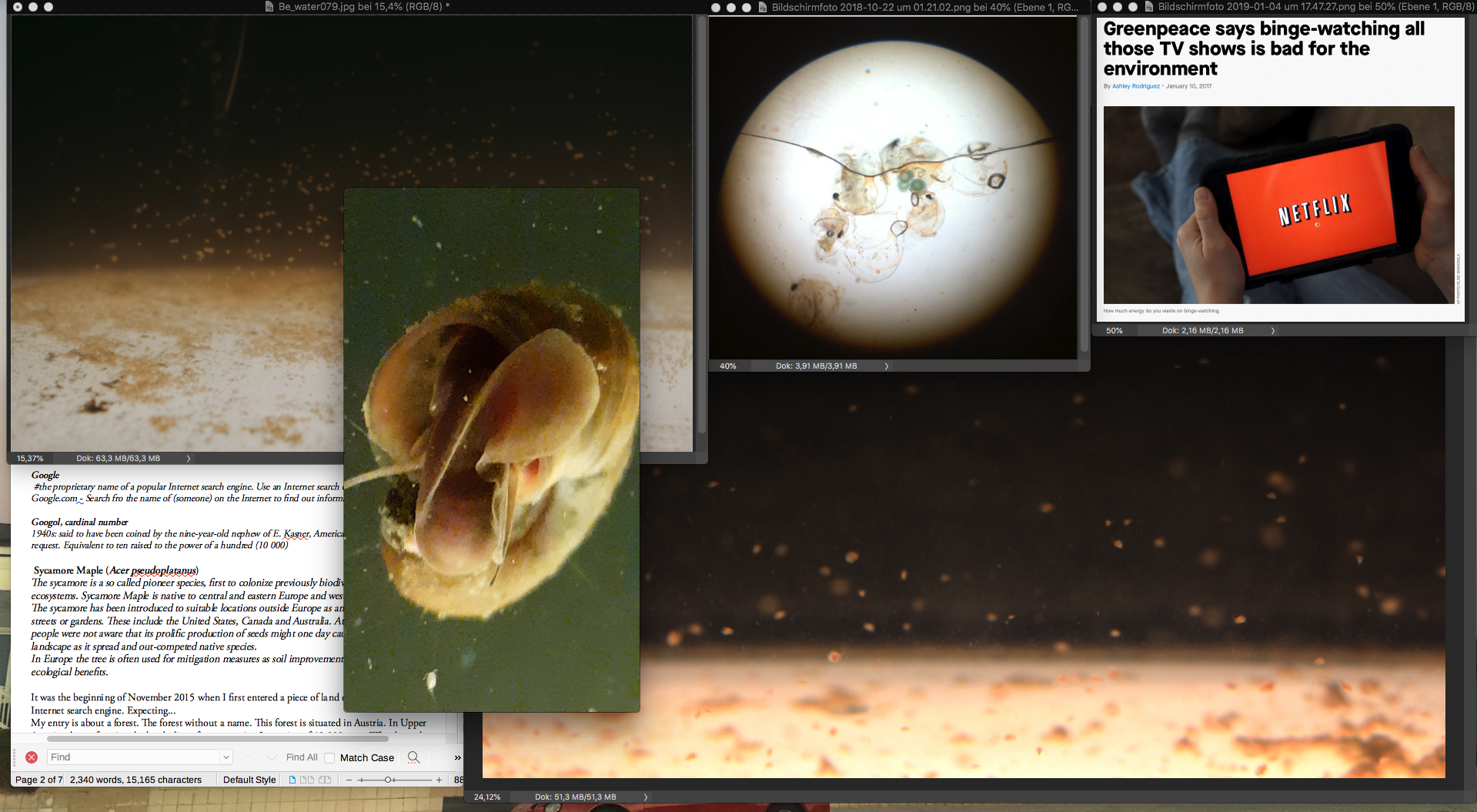
2019-2020 participants of the Research Lab are the media artist and freshwater ecologist Christina Gruber and the multimedia artist and Internet hack activist Antonio Zingaro. They will work with servus.at curator Davide Bevilacqua and the servus.at community on the environmental impacts of the Internet infrastructure and the “green” trends that are emerging in the marketing strategies of the largest Internet companies.
2018 – Art Meets Radical Openness (#AMRO18)
Research Labs 2017
2016 - Art Meets Radical Openness (#AMRO16)
2015 - Art Meets Radical Openness Research Lab
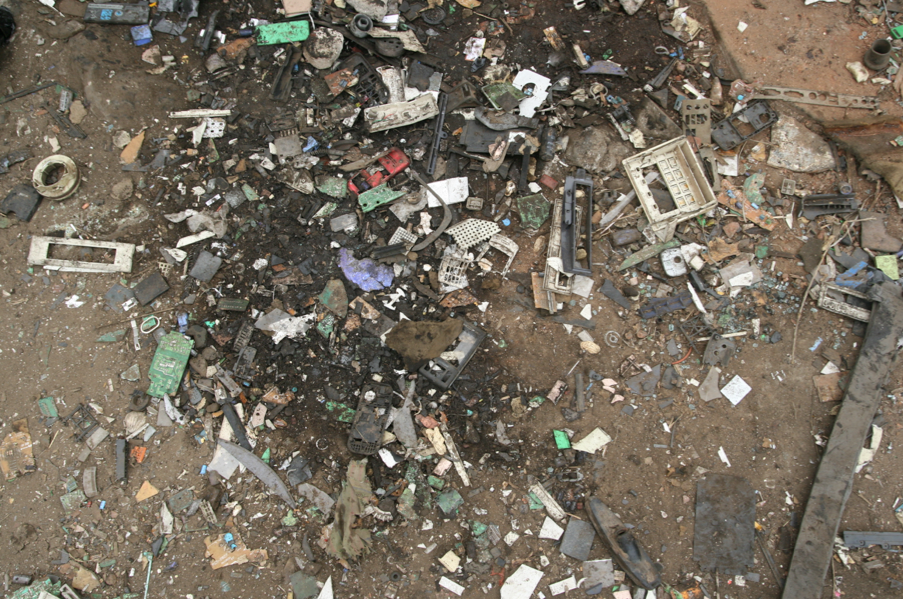
For most of us consumers electronic devices such as smartphones, tablets, notebooks, printers or microwaves are a fundamental and indispensable parts of our daily lives. As a result of rapid growth and constant innovation the electronic industry is the world’s fastest growing industry. The “Internet of things” is increasingly adding electronic devices onto our shopping list. Devices that are adding up to a 24h surveillance system that are tracking every aspect of our life and are containers for private data.
2014 - Art Meets Radical Openness (#AMRO14)
LiWoLi 2013 - canceled
2012 - Art meets radical openness (AMRO12)
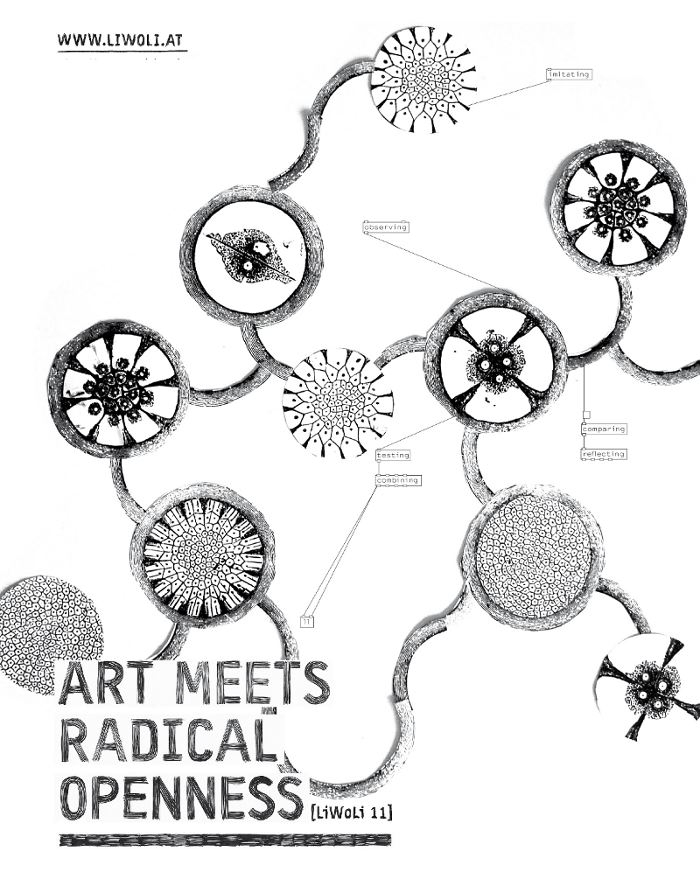
LiWoLi 2011 - Art Meets Radical Openness
12th - 14th of May 2011 LiWoLi is an open lab and meeting spot for artists, developers and educators using and creating FLOSS (free/libre open source software) and Open Hardware in the artistic and cultural context. LiWoLi is all about sharing skills, code and knowledge within the public domain and discussing the challenges of open practice. This year's event offers an exhibition, artists' workshops and – like every year – lectures, presentations and sound-performances.
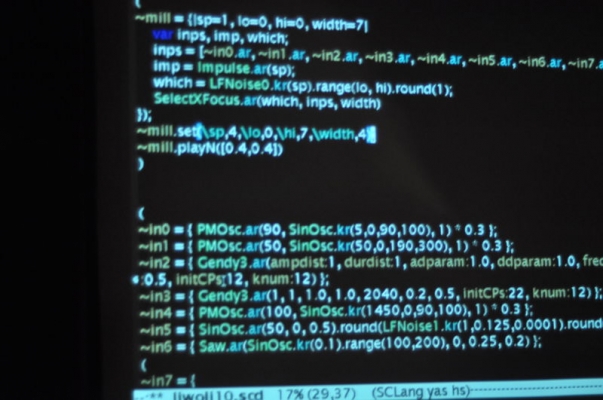
LiWoLi 2010
With the development and use of free and Open-Source software and hardware, the cultural practice of DIY (do-it-yourself) emerges. DIY often means, for those who practice it, seeing oneself as a believer and one’s own strength as a driving force for change. LiWoLi raises the question of whether a practice of "doing it together" (DIT) might be a more effective approach to developing free and open-source software (FLOSS) tools for art & culture, learning & teaching. This also implies examining the motivation of active producers and making room for the aspect of "unpaid work".
LiWoLi 2009
23rd - 25th of April 2009, Liwoli 2009 is a three-day Hacklab and an open invitation to all who would like to discover more about, and participate in, an active process of learning, producing, and sharing in the areas of Free/Libre Open Source Software. FLOSS developers, artists, and programmers, such as the collective GOTO10 and activists from HAIP (Hack Act Interact Progress), among others, form the basis of the event and share their knowledge through workshops, hacklabs, presentations, installations, and performances.